Custom Wine Box Mistakes: What Goes Wrong on a First Order
The biggest mistakes on a first order of custom wine boxes are measuring the wrong bottle, choosing a box before deciding how the wine travels, skipping the insert, approving the mockup too fast and ordering no spares. Custom Wine Boxes catches most of these during the free mockup sent within 24 hours, as long as you know what to check before you approve.
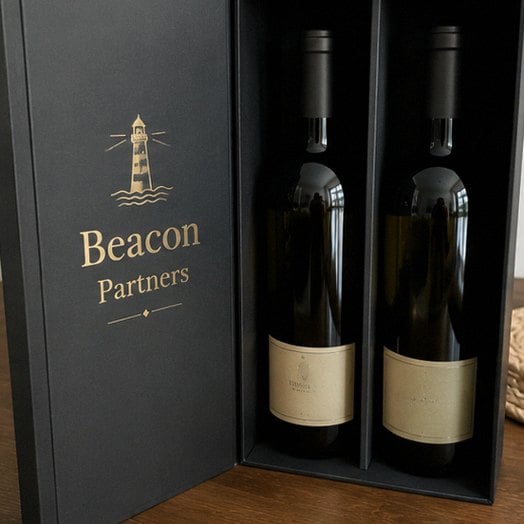
- Measure the finished bottle you will actually pack, capsule and wax included.
- Decide how the wine travels before choosing a box style.
- Free mockup within 24 hours, unlimited free revisions, pay nothing until you approve.
- Minimum order 12; order a few spares beyond the bottle count.
- Standard turnaround about 2 weeks after approval.
What are the most common mistakes on a first custom wine box order?
The most common mistakes on a first order of custom wine boxes are measuring the wrong bottle, picking a box style before deciding how the wine will travel, skipping the insert, approving a mockup too quickly and ordering exactly as many boxes as bottles. Custom Wine Boxes sees the same handful of errors again and again, and almost all of them are caught before production when the buyer knows where to look.
None of these mistakes are expensive to avoid. They cost a few minutes of checking during the brief and the mockup stage, which is why Custom Wine Boxes sends a free mockup within 24 hours and offers unlimited free revisions before you pay anything. The trouble starts when a winery, gift buyer or event planner treats the mockup as a formality and signs off in a hurry.
This guide walks through each mistake in the order it usually happens, from the first measurement to the day the boxes arrive, with the fix for each one.
Why does measuring the wrong bottle ruin a wine box order?
Measuring the wrong bottle ruins a wine box order because the cavity, the insert and the lid are all built around one bottle shape. If you send the measurements of last year’s vintage, a sample bottle from a different glass supplier or a standard bottle when the release is in a heavier reserve bottle, the box can be too tight to close or loose enough to rattle.
The fix is simple: measure the exact bottle you will pack, with the capsule or wax on, and tell Custom Wine Boxes the bottle style by name, such as Bordeaux, Burgundy, Champagne or magnum. Shoulders, punts and wax dips all change the fit, so a quick photo of the bottle next to a ruler helps the mockup match reality.
- Measure the filled, finished bottle, not an empty sample.
- Include any neck tag, wax seal or capsule in the height.
- Flag a new glass supplier, even when the shape looks the same.
For a deeper walkthrough of bottle styles, see the existing sizing guide on the Custom Wine Boxes blog.
Should I choose a wine box style before deciding how the wine will be delivered?
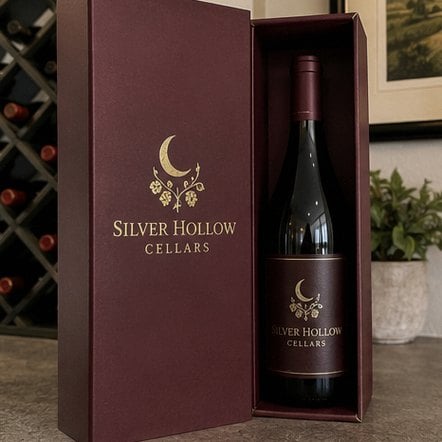
No. Choose how the wine will be delivered first, then choose the wine box style. A rigid magnetic-closure box is made for hand delivery, a gift table or a tasting room shelf, while a kraft carrier or mailer is built for the carrier network. Buyers who pick the prettiest box and only later realize the order ships by parcel end up adding an outer shipper or reordering.
Ask three questions before you look at styles: will the bottle be handed over, carried out or shipped, who opens the box, and does the box need to be reused or kept. The answers point to the right page on the Custom Wine Boxes site.
| How the wine travels | Box styles that usually fit |
|---|---|
| Handed over at a gala, dinner or meeting | Magnetic-closure wine box, single-bottle rigid gift box |
| Carried out of a tasting room or shop | Kraft wine carrier, double-bottle wine box |
| Shipped to members or clients | Kraft wine mailer, or a gift box inside a shipper |
| Kept as a keepsake or display piece | Wood wine crate, wooden wine gift box |
What goes wrong when a wine box has no insert or the wrong insert?
Without an insert, a bottle shifts inside the wine box every time the box is lifted, tilted or set down, which scuffs labels and makes the box feel cheap when it is opened. With the wrong insert, the bottle sits crooked, the lid will not close flat or the neck pokes above the cavity. Both problems show up only when you pack the first bottle, which is too late.
Tell Custom Wine Boxes whether the box will be shipped, carried or handed over, and the mockup will show an insert that matches. Corrugated, molded pulp and foam inserts each suit different jobs, and the site’s insert comparison post explains the tradeoffs. The key mistake is assuming the insert is an accessory you can add later. In practice, the insert and the box are one design, and changing one after approval usually means changing both.
If you are packing two bottles, a bottle with glasses or a bottle with a small gift, say so in the brief. A double-bottle wine box or a custom cavity is far easier to plan up front than to improvise on packing day.
How do artwork mistakes show up on custom wine boxes?
Artwork mistakes on custom wine boxes usually show up as a blurry logo, fine lines that fill in under foil, text that runs into a fold or a color that looks nothing like the wine label. Each of these is visible on the mockup if you look at it the way a guest will see the finished box: lid first, then sides, then the inside.
Send the cleanest logo file you have, ideally a vector file, and tell Custom Wine Boxes which colors must match the label. Foil stamping rewards bold shapes and simple type, while full-color print handles illustrations, photos and gradients. A detailed vineyard sketch that looks lovely in print can lose its fine lines when it is converted to foil.
- Read every word on the mockup out loud, including the winery name and any vintage.
- Check that nothing important sits on a fold, hinge or magnet flap.
- Decide whether the inside of the lid is printed or left plain.
The site’s artwork guide covers file types, dielines and proofs in detail, so use it as the companion to this list.
Why is approving the mockup too fast a costly mistake?
Approving the mockup too fast is costly because approval is the moment production starts. Custom Wine Boxes offers unlimited free revisions and you pay nothing until you approve the design, so every question you ask before approval is free, and every question you think of after approval is a reorder conversation.
A careful review takes minutes. Look at the mockup on a large screen, then share it with whoever has the final say on the brand, whether that is the winemaker, the marketing lead or the corporate gift sponsor. Second reviewers catch spelling, logo versions and outdated taglines that the person who wrote the brief no longer sees.
- Confirm the bottle style and the box style match the brief.
- Check the logo, colors and any foil areas against the label.
- Confirm the quantity, the delivery address and the in-hand date.
- Ask for one more revision if anything feels uncertain.
When the mockup is right, approve it in writing so everyone agrees on the version being produced.
How many spare wine boxes should a first order include?
A first order of wine boxes should include a few spares beyond the bottle count, because boxes get damaged in packing, guest lists grow and someone always wants one for the tasting room display. Ordering exactly one box per bottle is one of the most common first-order mistakes, and it turns a small miscount into a reorder with its own production time.
The minimum order at Custom Wine Boxes is 12, so even a small run can carry a handful of extras without a large commitment. Think about who might need a box you have not counted yet: the photographer shooting the release, the sales rep who wants a sample, the client who joins the gift list late. The site’s quantity planning post covers this in more depth for larger programs.
What timing mistakes delay custom wine boxes?
The timing mistakes that delay custom wine boxes are leaving the in-hand date off the quote form, waiting days to answer revision questions and forgetting to plan time to pack the boxes once they arrive. Production at Custom Wine Boxes takes about 2 weeks after approval, with faster turnaround available through express shipping, but the clock only starts when the design is approved.
Put the date you need the boxes in hand on the quote form, not the release date or the event date. Then leave room after delivery to unpack, count, insert the bottles and add any cards or ribbons. A gala, wine club release or holiday gift program that plans backward from the packing day almost never runs short of time. The site’s backward timeline post walks through the dates step by step.
What should you check when the wine boxes arrive?
When the wine boxes arrive, open a few from different cartons, pack a real bottle into each one and compare them against the approved mockup before you pack the full run. Checking early means any problem is found while there is still time to fix it, not on the morning of the event.
- Count the boxes and inserts against the order.
- Pack a finished bottle and close the lid or magnet flap.
- Check the logo, foil and colors under the light where guests will see them.
- Store the boxes flat and dry, away from cellar humidity, until packing day.
If anything looks wrong, contact Custom Wine Boxes right away with photos so the issue can be reviewed quickly. For the full ordering process, the how it works page explains each step from brief to delivery.
Frequently asked questions
Can I send a photo of my bottle instead of measurements for custom wine boxes?
A photo helps, but custom wine boxes are sized from real measurements, so send both. Photograph the finished bottle beside a ruler, with the capsule or wax on, and note the bottle style by name. Custom Wine Boxes uses the photo to spot shoulders, punts and neck details, then confirms the fit on the free mockup sent within 24 hours.
Do wine boxes for a heavier reserve bottle need a different insert?
Wine boxes for a heavier reserve bottle often need a different insert, because thicker glass and wider shoulders change how the bottle sits in the cavity. Tell Custom Wine Boxes the exact bottle you plan to pack, even if the shape looks standard. The mockup will show an insert matched to that bottle, and revisions are free until you approve the design.
What happens if my wine box lid will not close over the bottle?
A wine box lid that will not close usually means the bottle is taller than measured, often because of a wax dip, neck tag or new glass supplier. Catch this at the mockup stage by sharing the finished bottle height with Custom Wine Boxes. After delivery, contact the team with photos so the fit problem can be reviewed and a fix discussed.
Can I change from a gift box to a mailer after approving wine boxes?
Changing from a gift box to a mailer after approving wine boxes usually means a new design, because the materials, insert and closure are different. Decide how the wine will travel before you approve the mockup. Custom Wine Boxes can show both options during revisions, which are unlimited and free, so the switch costs nothing while the design is still open.
Is a plain lid a mistake on branded wine boxes?
A plain lid on branded wine boxes is not a mistake when the design is intentional, such as a minimal foil mark on a dark wrap. The mistake is leaving the lid plain by accident because nobody decided. Custom Wine Boxes shows the lid, sides and inside on the mockup, so you can choose exactly where branding appears before production.
What is the most overlooked detail on a wine box brief?
The most overlooked detail on a wine box brief is how the wine reaches the person opening it. Buyers describe the logo and colors carefully but forget to say whether the wine boxes are shipped, carried or handed over. Custom Wine Boxes uses that detail to choose the box style, insert and closure, so add it to the quote form.
Who should sign off on a wine box mockup at a small winery?
A wine box mockup at a small winery should be signed off by the person who owns the brand, often the owner or winemaker, plus one second reviewer who did not write the brief. Fresh eyes catch spelling and logo errors. Custom Wine Boxes waits for written approval before production, and you pay nothing until that design is approved.
Can I order wine boxes before the label design is final?
You can start a wine box order before the label is final, but do not approve the mockup until the label colors and logo are locked. Wine boxes are meant to match the bottle, and a late label change can leave the box looking off. Custom Wine Boxes keeps revising for free, so hold approval until the label is settled.
What should I do with damaged wine boxes found on packing day?
Damaged wine boxes found on packing day should be set aside and photographed right away, then reported to Custom Wine Boxes with the order details. Use your spares to keep packing on schedule. This is why ordering a few extra boxes beyond the bottle count matters, especially for a release, gala or gift program with a fixed date.
How should I store custom wine boxes before packing the bottles?
Store custom wine boxes flat or in their cartons in a dry, clean room, away from cellar humidity, direct sun and stacked heavy cases. Moisture can warp rigid board and scuff soft-touch finishes. Unpack a few boxes on arrival to check them against the mockup, then keep the rest sealed until packing day to protect the finish.
Can a first-time buyer order more than one style of wine boxes at once?
A first-time buyer can order more than one style of wine boxes at once, for example single-bottle gift boxes for clients and kraft carriers for the tasting room. Each style gets its own mockup. Custom Wine Boxes applies the minimum of 12 per design, so list every style and quantity on the quote form to get an accurate quote.
Get a free mockup for your wine boxes
Send your logo or idea and the quantity you have in mind. Custom Wine Boxes returns a free mockup within 24 hours, you approve the design before anything is produced, and standard turnaround is about two weeks with faster options available. Get a custom quote.